
Mold Remediation
Mold remediation is the process of containing, removing and cleaning mold growth, then fixing the moisture problem that caused it.
See mold remediationGet a plan for growth around vents in Beverly Grove. It should cover containment, cleaning, drying and moisture correction.
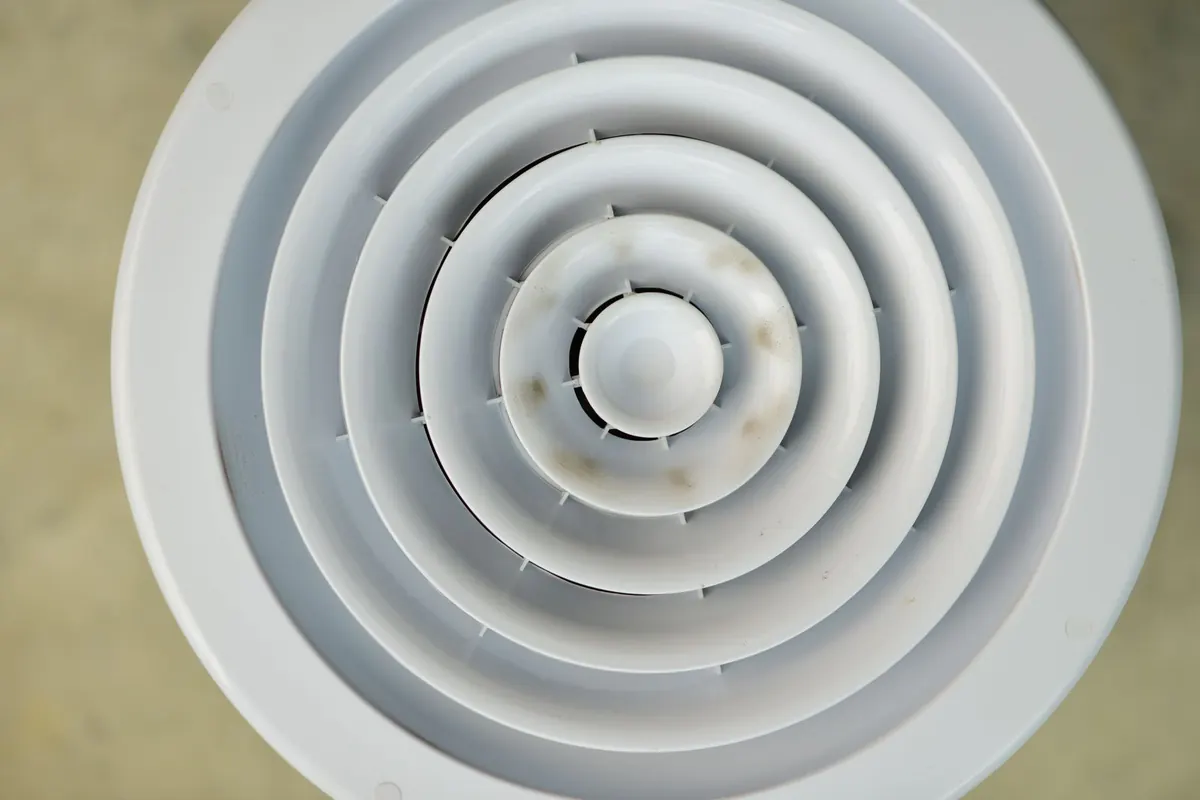
The job removes growth from system components and fixes its moisture source.
Inspection distinguishes visible growth from dust on the air handler, ducts, condensate line, drain pan or evaporator coil.
The work can involve drying, HEPA filtration and a containment barrier. A written scope needs to specify affected materials and explain both the methods and repairs.

Your questions should cover containment locations, negative air pressure and protection for registers that are clean.
Look for the affected ducts, insulation, equipment and vents in the scope, followed by a separate repair section.
Use an independent assessor for clearance testing before restarting the system.
Ask how the coil, seams, drain pan and condensate drain will be inspected. The scope needs clear repair assignments.
An inspection should cover linked ducts, equipment, the visible mark and nearby material.
Risk cannot be determined from color. Your check should cover the affected area, water source and porous surfaces.
A spotted register can signal hidden moisture. Check nearby drywall for dampness, water stains and peeling paint.
Growth might reach beyond one opening. Your duct material guides the choice between replacement and cleaning.
A clogged line, standing water or an air leak can leave the coil and cabinet damp.
Leave questionable equipment off, and do not disturb the mold.
Call (844) 352-3560For HVAC mold reaching air ducts, Fixr lists $3,000 to $10,000 while it gives $100 to $500 when vent growth does not involve ducts. Bob Vila gives an air duct figure of $600 to $2,000 in its listing. The published ranges are not a quote.
Published national cost guides are the source of these ranges, rather than an inspection of your property. Before work begins, you should get an explanation of the property price determined through an on-site assessment.
Ask about cost: (844) 352-3560Insurance may cover mold after sudden water damage if the event is covered. Common exclusions include slow leaks and neglected maintenance. A mold sublimit may apply.
Why the unit got wet determines whether payment applies. Recurring condensation and a one-time leak may receive different coverage.
California's Toxic Mold Protection Act includes a landlord written-disclosure section (Health and Safety Code 26147). By its own wording it applies only after the state adopts mold exposure standards, and the state health department has said it could not set them. Keep documentation of the scope, repairs, photos and readings.
Report without delay. Ask about coverage, sublimits and pre-removal inspection.
Under California's housing law, visible mold found by a health officer or code enforcement officer can make a rental substandard. Renters can contact their local health or code enforcement department to ask for an inspection. Keep your vent and leak photos along with related maintenance messages.
The work plan includes inspection, containment, cleanup, drying and post-remediation verification.
With protective equipment ready, vents, ducts and the air handler are checked for moisture and square footage.
Within poly sheeting, the air filtration device is a HEPA air scrubber running under negative air pressure.
A HEPA vacuum and damp wiping are used on non-porous surfaces suitable for cleaning. Antimicrobial treatment cannot substitute for cleaning.
Tear out of wet insulation, flex duct or drywall may lead to replacement of materials.
Leak correction comes first, followed by cavity drying. Using duct sealing may stop condensation.
Dryness and cleanliness get checked during post-remediation verification. An independent assessor performs clearance testing.

Call any hour. Talk with a HVAC and air duct mold removal specialist about what you are seeing and the steps ahead.
Airflow can spread contamination from hidden system parts.
A moisture meter may find damp material concealed behind a register that looks dry.
During equipment opening and cleaning, sensitive occupants should remain outside the work area.
Opening ducts can release mold spores. Poly sheeting and negative air pressure protect occupied rooms.
Can you clean it yourself? For areas under about 10 square feet, EPA says homeowner cleaning can often be appropriate. Sewage, contaminated water or HVAC involvement means you should seek experienced help.
Hard components can remain when clean, but porous parts might need to come out.

Replacement needs, moisture repairs and access determine the timing. Inspect before setting the schedule.
Damp dust or mold in vents can produce a musty smell. Odor does not identify the location of growth or clean it.
EPA guidance calls for relative humidity under 60 percent, with 30 to 50 percent preferred. Running a dehumidifier is no substitute for correcting the source of moisture.

The full HVAC and air duct mold removal guide covers what is cleaned or removed, odor and air quality work, and the rules that apply in California.
Read the full HVAC and air duct mold removal guidePlanning for moisture control, containment and mold cleanup can be influenced by local humidity, housing and property access.
Local housing around Beverly Grove may look similar from outside, yet remodels and maintenance history can change where moisture hides and how far mold extends.
Areas under about 10 square feet can often be cleaned by the homeowner, while larger areas, HVAC systems, sewage, or contaminated water call for professional help.
Your call can include questions about mold cleanup availability in close-by communities and ZIP codes.
Mold remediation is the process of containing, removing and cleaning mold growth, then fixing the moisture problem that caused it.
See mold remediation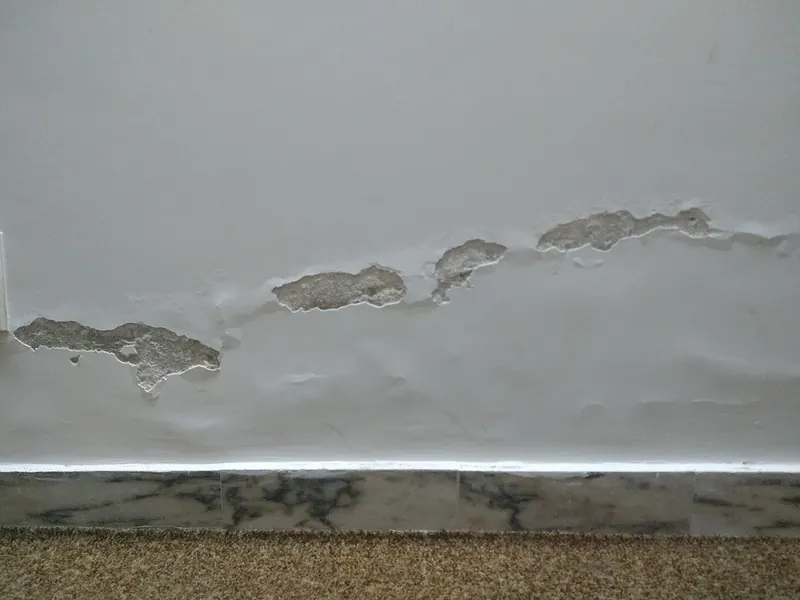
Hidden mold remediation locates and clears hidden mold behind wall surfaces, beneath flooring and over ceilings where it is out of view.
See hidden mold remediation (behind walls)
This option begins with a mold inspection to identify where growth is present, followed by removal and cleaning.
See mold inspection and removal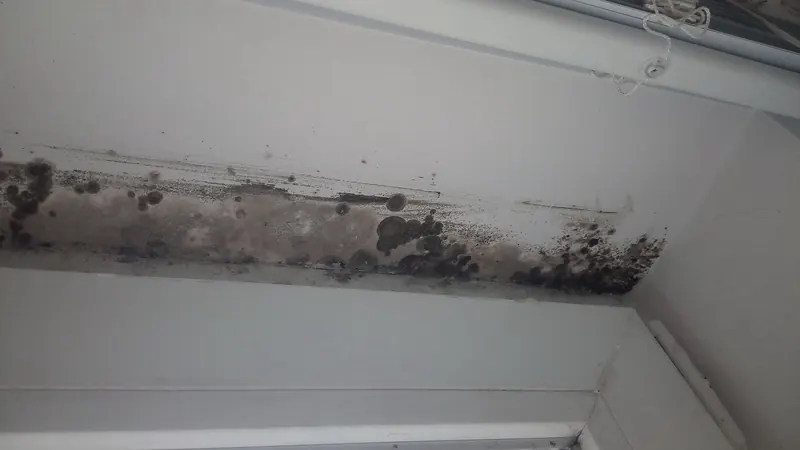
This option clears mold linked to condensation and high humidity on ceilings, wall surfaces and windows and identifies ways to lower moisture.
See humidity and condensation mold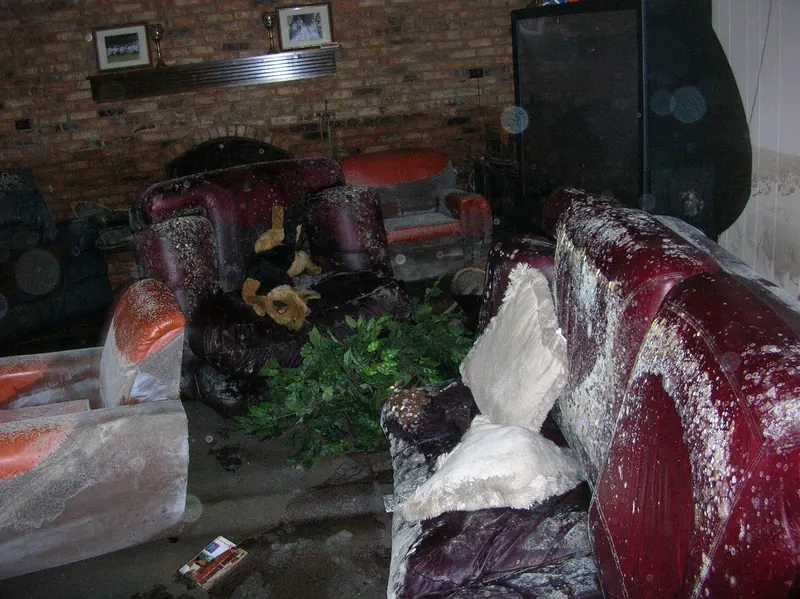
After a flood or leak, water damage mold cleanup removes the resulting growth and dries the structure against recurrence.
See water damage mold cleanup
Wall and drywall mold removal cuts out and replaces mold-damaged drywall and cleans the framing inside the wall.
See wall and drywall mold removal
After removal, mold clearance testing combines air sampling with visual examination to confirm cleanliness in the affected area.
See mold clearance testing
The size of the affected space, types of materials and required repair work are among the factors influencing mold removal cost.
See mold removal costFirst eliminate the moisture from leaks or condensation and remove materials beyond cleaning. After hard cleanable surfaces are dried, replace any affected insulation, drywall, duct sections or finishes. Fix the affected drain, ventilation or duct seal before you close cavities and restart the system.
You can use air sampling for a specific purpose, but there is no federal limit on indoor mold levels. Results should be considered with visible conditions and moisture findings. When clearance sampling is performed, an independent assessor should collect samples and interpret results.
Payment depends on the moisture source, lease, building responsibility and insurance policy. Keep photographs and maintenance requests after notifying the property manager or landlord without delay. Find out who is responsible for the shared ducts and air handler. Under California's housing law, visible mold found by a health officer or code enforcement officer can make a rental substandard. Renters can contact their local health or code enforcement department to ask for an inspection. Add each reply to the records you keep.
Mold color does not reveal its level of risk. Spots with a dark color may come from mold, dirt or condensation-related residue. The useful questions are whether growth is present, where the moisture comes from and how far it extends. Avoid scraping it or running equipment that may be contaminated.
According to Fixr, mold remediation in air ducts ranges from $1,000 to $5,000 depending on scope. The scope depends on duct length, material, access, equipment contamination, containment, moisture repair and replacement needs. The published cost category that applies to your system is identified through inspection.
Accessible metal air ducts can be cleaned with HEPA vacuuming and surface methods. Porous liner, wet insulation and flexible duct may need replacement. Correct the leak, high humidity or condensation so the components do not get damp again.
For calm and useful guidance about HVAC and air duct mold removal, you can reach someone by phone 24 hours a day.